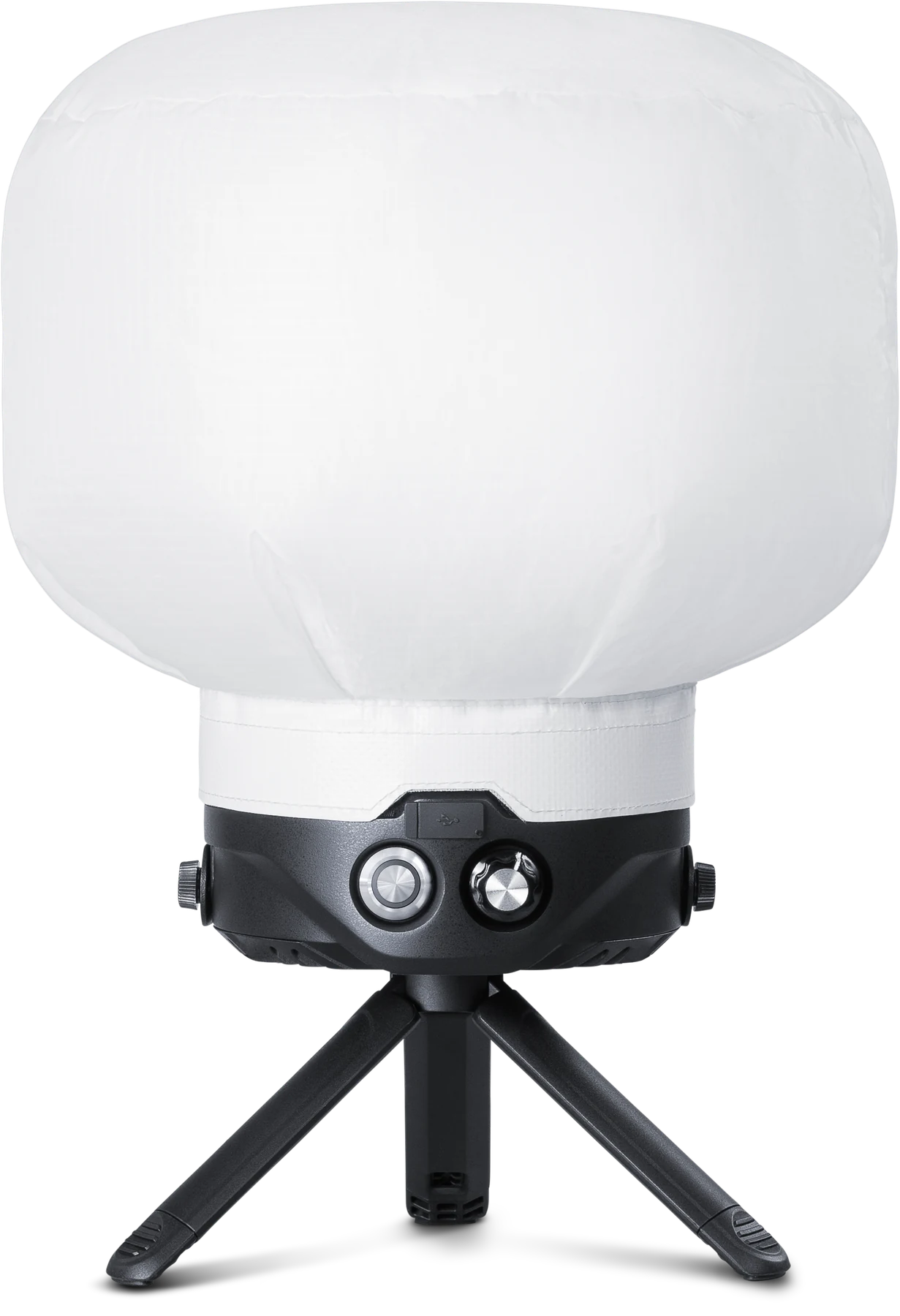

When selecting a YUANG LIGHT LED balloon light or mobile lighting tower, lumens are an important measure of light output. However, visibility on site also depends on beam distribution, distance, mounting height and illuminance at the working surface. This guide explains the differences between lumens, watts and lux to help you compare lighting options.
1. What Are Lumens?
Lumens (lm) measure the total visible light output of a source. A higher lumen rating generally indicates more light output, but it does not guarantee greater brightness at every location. The diffuser, beam angle and distance affect how light is distributed. When comparing specifications, check whether the figures describe the LED source or the complete luminaire.
2. Understanding Lumens, Watts and Lux
- Lumens (lm): total luminous flux.
- Watts (W): electrical power consumption, rather than brightness alone.
- Luminous efficacy (lm/W): light output per watt, which should be compared under equivalent test conditions.
- Illuminance (lux): light received at a surface, measured at a specified distance and position.
Assess light output, power requirements and the illuminance needed for the task together. Refer to the relevant product page and current technical documentation for each model’s output, efficacy and power supply requirements.
3. Selecting Lighting for Your Application
Inspections and Close-Range Tasks
For compact, portable lighting, explore the HANDI portable LED balloon light. Confirm the required accessories and operating duration for your application.
Camping, Outdoor Events and Smaller Work Areas
Compare the TINY and MINI LED balloon lights. Check the AC or DC version, input voltage and power source capacity. Do not assume that standard disposable batteries or USB power banks can directly power every model.
Larger Work Areas and Events
Compare the MIDI and MAXI LED balloon lights. Determine the number and placement of lights according to the area, mounting height and target illuminance.
Directional Lighting
Consider the Single and Twin towers or the QUADRO tower when directional illumination is required. Their light distribution differs from that of balloon lights, so specifications should be assessed separately.
4. Colour Temperature, Protection and Maintenance
Confirm the availability of colour temperature, RGBW, dimming and other customisation options for the selected model and power supply version. Assess protection ratings for the luminaire, power supply and connectors individually; a rating for one model should not be applied to the entire range.
An LED service-life figure is not a warranty for the complete product or a promise of maintenance-free operation. Actual service life depends on temperature, operating conditions, heat dissipation and maintenance. Review warranty terms, replacement parts and servicing arrangements before purchase.
5. Information to Prepare Before Requesting a Quotation
Please provide the application, site dimensions, planned mounting height, available power supply, operating duration and required quantity. Include any specified illuminance targets or procurement requirements so that our team can assist with product selection.
Contact YUANG LIGHT for product selection assistance and a quotation →
Related reading: Why Are LED Lights Better? LED Luminaires Compared with Other Light Sources